

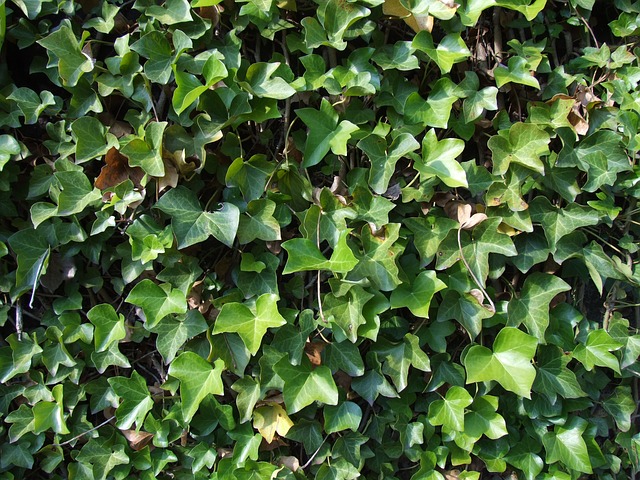
 If you’ve ever had to clear out the garden and found ivy growing up the side of your house, you will understand how much of a pain it is to remove!
But now, a team at Ohio State University are looking into this adhesive property of ivy, and how it could be applied to other situations.
The team are studying the tiny particles that give the ivy its strong grip, with the view of creating better industrial and medical adhesives, as well as creating stronger body armour.
When it is climbing, ivy secretes microscopic particles which have an extremely low viscosity (the informal concept of thickness), which means they can work their way into any nooks and crannies on whichever surface they are attached to.
There is a lot of complicated science behind this involving proteins, evaporation and the like (we won’t bore you with the details) but when the adhesive from the ivy dries, it stays stuck. This is why ivy is capable of surviving natural disasters and the enraged gardeners alike!
The biomedical engineering professor leading the team, Mingjun Zhang, said, “Ivy is very resistant to various environmental conditions, which makes the adhesive a particularly interesting candidate for the development of armour coatings. It's very difficult to tear down, even in a natural disaster. It's one of the strongest adhesive forces in nature.
Because of the potential capabilities of this adhesive strength, the U.S. Army are interested in using it to strengthen their body armour systems, and have jointly funded the research to try and make it happen.
It is also believed that the adhesive qualities may come in useful when it comes to healing wounds after injuries or surgery.
If applied correctly, do you think we could see these adhesive properties creeping their way into airsoft gear and other mainstream functionalities? Or will they be kept purely for military adaptations? Let us know in the Facebook comments.
If you’ve ever had to clear out the garden and found ivy growing up the side of your house, you will understand how much of a pain it is to remove!
But now, a team at Ohio State University are looking into this adhesive property of ivy, and how it could be applied to other situations.
The team are studying the tiny particles that give the ivy its strong grip, with the view of creating better industrial and medical adhesives, as well as creating stronger body armour.
When it is climbing, ivy secretes microscopic particles which have an extremely low viscosity (the informal concept of thickness), which means they can work their way into any nooks and crannies on whichever surface they are attached to.
There is a lot of complicated science behind this involving proteins, evaporation and the like (we won’t bore you with the details) but when the adhesive from the ivy dries, it stays stuck. This is why ivy is capable of surviving natural disasters and the enraged gardeners alike!
The biomedical engineering professor leading the team, Mingjun Zhang, said, “Ivy is very resistant to various environmental conditions, which makes the adhesive a particularly interesting candidate for the development of armour coatings. It's very difficult to tear down, even in a natural disaster. It's one of the strongest adhesive forces in nature.
Because of the potential capabilities of this adhesive strength, the U.S. Army are interested in using it to strengthen their body armour systems, and have jointly funded the research to try and make it happen.
It is also believed that the adhesive qualities may come in useful when it comes to healing wounds after injuries or surgery.
If applied correctly, do you think we could see these adhesive properties creeping their way into airsoft gear and other mainstream functionalities? Or will they be kept purely for military adaptations? Let us know in the Facebook comments. 
U.S. Army interested in adhesive properties of ivy
Search
Recent Comments
- Ben Austin on Our Airsoft & Air Gun Repair Services
- Dan K on Our Airsoft & Air Gun Repair Services
- Dan K on Brand Profile: AGM
- David Robinson on Our Airsoft & Air Gun Repair Services
- Steve on Brand Profile: AGM
Archives
- August 2026
- July 2026
- June 2026
- May 2026
- April 2026
- March 2026
- January 2026
- December 2025
- November 2025
- October 2025
- September 2025
- August 2025
- July 2025
- June 2025
- May 2025
- April 2025
- March 2025
- February 2025
- January 2025
- November 2024
- August 2024
- June 2024
- May 2024
- April 2024
- March 2024
- February 2024
- January 2024
- November 2023
- October 2023
- September 2023
- August 2023
- July 2023
- June 2023
- May 2023
- April 2023
- March 2023
- February 2023
- January 2023
- December 2022
- November 2022
- September 2022
- August 2022
- July 2022
- June 2022
- May 2022
- April 2022
- March 2022
- February 2022
- December 2021
- November 2021
- October 2021
- July 2021
- June 2021
- May 2021
- April 2021
- March 2021
- February 2021
- January 2021
- December 2020
- November 2020
- October 2020
- September 2020
- August 2020
- July 2020
- June 2020
- May 2020
- April 2020
- March 2020
- February 2020
- January 2020
- December 2019
- November 2019
- October 2019
- September 2019
- August 2019
- July 2019
- June 2019
- May 2019
- April 2019
- March 2019
- February 2019
- January 2019
- December 2018
- November 2018
- October 2018
- September 2018
- August 2018
- July 2018
- June 2018
- May 2018
- April 2018
- March 2018
- February 2018
- January 2018
- December 2017
- November 2017
- October 2017
- September 2017
- August 2017
- July 2017
- June 2017
- May 2017
- April 2017
- March 2017
- February 2017
- January 2017
- December 2016
- November 2016
- October 2016
- September 2016
- August 2016
- July 2016
- June 2016
- May 2016
- April 2016
- March 2016
- February 2016
- January 2016
- December 2015
- November 2015
- October 2015
- September 2015
- August 2015
- July 2015
- June 2015
- May 2015
- April 2015
- March 2015
- February 2015
- January 2015
- December 2014
- November 2014
- October 2014
- September 2014
Categories
- Air Guns (114)
- Air Pistol (60)
- Air Rifle (103)
- Airsoft (274)
- Ammunition (15)
- Archery (10)
- Clothing & Body Armour (30)
- Equipment & Accessories (25)
- Events (22)
- Gaming (18)
- Grenades (3)
- History (92)
- Knives (31)
- Military (113)
- Paintball (4)
- Replica Guns (17)
- Survival (33)
- Target Shooting (22)
- TV, Film & Pop Culture (59)
- Uncategorized
- Video (26)
If you’ve ever had to clear out the garden and found ivy growing up the side of your house, you will understand how much of a pain it is to remove!
But now, a team at Ohio State University are looking into this adhesive property of ivy, and how it could be applied to other situations.
The team are studying the tiny particles that give the ivy its strong grip, with the view of creating better industrial and medical adhesives, as well as creating stronger body armour.
When it is climbing, ivy secretes microscopic particles which have an extremely low viscosity (the informal concept of thickness), which means they can work their way into any nooks and crannies on whichever surface they are attached to.
There is a lot of complicated science behind this involving proteins, evaporation and the like (we won’t bore you with the details) but when the adhesive from the ivy dries, it stays stuck. This is why ivy is capable of surviving natural disasters and the enraged gardeners alike!
The biomedical engineering professor leading the team, Mingjun Zhang, said, “Ivy is very resistant to various environmental conditions, which makes the adhesive a particularly interesting candidate for the development of armour coatings. It's very difficult to tear down, even in a natural disaster. It's one of the strongest adhesive forces in nature.
Because of the potential capabilities of this adhesive strength, the U.S. Army are interested in using it to strengthen their body armour systems, and have jointly funded the research to try and make it happen.
It is also believed that the adhesive qualities may come in useful when it comes to healing wounds after injuries or surgery.
If applied correctly, do you think we could see these adhesive properties creeping their way into airsoft gear and other mainstream functionalities? Or will they be kept purely for military adaptations? Let us know in the Facebook comments.