
Using air gun accessories like optics and scopes would not be possible without a rail system. But as with the sheer variety of guns and accessories themselves, there are various rail types, each offering their own benefits. Here we compare the most common types to help you decide which is best for your setup.
Understanding Airgun Rail Systems
These systems are built-in or attached metal rails that offer a secure way to mount things like scopes, red dot sights, lights and lasers to the top of your gun.
It’s important to use the right rail and mounting system to ensure stability, reliability and accurate shooting. The various types of rail systems mean shooters can opt for versatile mounting platforms that allow for easy customisation.
What is a Picatinny Rail?
Also known as the MIL-STD-1913, Picatinny rails are the military standard known for their universality and standardised design. They have become one of the most widely preferred rail systems for modern air gun users thanks to their versatility, strength and compatibility with various modular accessories.
Picatinny rails are characterised by consistent groove and ridge dimensions with standard 0.206-inch-wide and 0.118-inch-deep slots across the length of the rail.
Pros
- - Standardised slot spacing.
- - Deep grooves for increased stability and minimising scope creep.
- - Compatibility with a wide range of accessories.
Cons
- - Can be bulkier and heavier than other options.
- - Notched edges can catch or snag on gear.
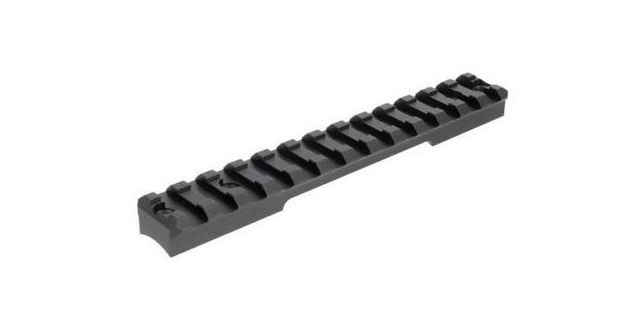
What is a Weaver Rail?
The Weaver rail has long been the traditional option for hunting rifles and provides a similar concept to the Picatinny rail. However, some key differences set it apart. Weaver rails have narrower (0.180 inches) and shallower (0.118 inches) slot spaces. They are also irregularly spaced, not following the same standardised spacing layout as the Picatinny.
Because of these irregularities, you may have trouble if you try to use mounts or rings that aren’t specifically made for a Weaver rail. While Weaver accessories can generally work with Picatinny rails, Picatinny accessories may not fit a Weaver.
Pros
- - Good stability and prevents scope creep from recoil.
- - Lightweight and slightly less bulky for a sleeker look and feel.
Cons
- - Non-standard slot spacing can prevent attachments from properly lining up.
- - Shallower slot grooves than Picatinny rails.
- - Limited compatibility with Picatinny mounts.
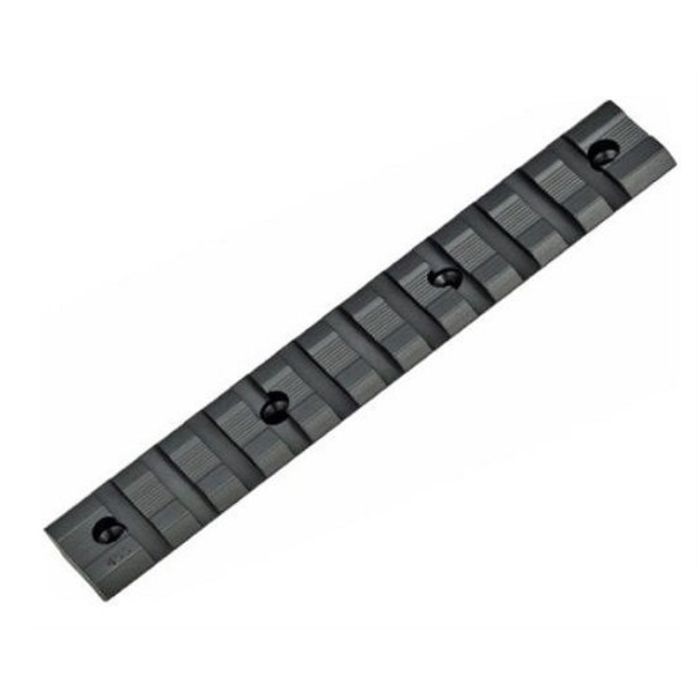
What is a Dovetail Rail?
Also often referred to as a 11mm or 3/8-inch rail, the Dovetail rail offers a slightly different rail system. Rather than having cross-slots like the Picatinny or Weaver, these rails use an angled groove design to clamp accessories in place.
The inverted trapezoid cross section of a Dovetail rail is said to resemble a fanned-out dove’s tail, hence the name.
Pros
- - Low profile and lightweight, making them ideal for smaller air guns.
- - Allows for precise adjustments to attachments along the length of the rail.
- - Maintains clean, traditional lines without adding bulk.
Cons
- - Not as much accessory compatibility compared to Weaver and Picatinny rails.
- - Not as stable for high-recoil weapons.
Which Air Gun Rail is Best?
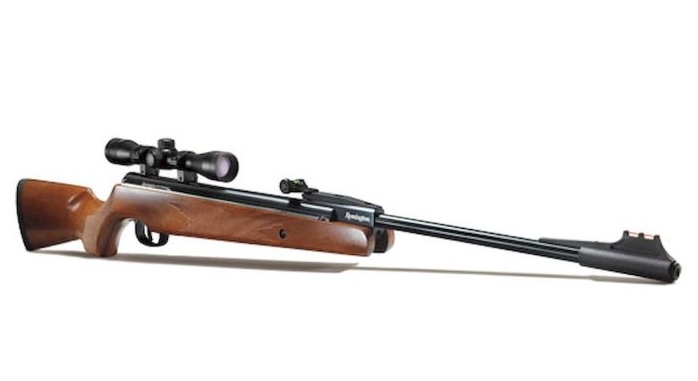
All three options certainly have their place in modern air gun setups, and which is best for you will depend on your requirements and expectations.
- Picatinny: A good choice for modern air rifle setups and if you’re planning on using lots of accessories.
- Weaver: A good choice for traditional, lightweight setups where you don’t need the standardisation of Picatinny.
- Dovetail: Good if you prefer a compact setup or are on a budget, as they’re generally cheaper.
And even if you choose one rail but later decide you want to try a non-compatible accessory with it, you can also get various adapters that give you the best of both worlds.
Discover our wide range of air gun accessories, including rails, adaptors, mounts and various optics for endless customisation.
You may also be interested in our other air gun guides, including our deep dive into the best air rifle silencers.